I’ve never been very good at choosing just one thing.
I’ve been drawn to science, conservation, education, travel, animals, and the outdoors. I’ve worked in healthcare, environmental education, and nonprofit program management. I’ve spent time in operating rooms and in the field, behind a computer building systems and alongside scientists conducting research. I’ve worked with students, educators, volunteers, researchers, and colleagues from all over the world.
For a long time, I wondered if all of those interests made my career feel scattered.
Lately, I’ve started to see them differently.
Maybe the common thread isn’t a particular job title or industry. Maybe it’s a desire to do work that matters and to help make that work better.
The work behind the work
My career has gradually led me toward program management and operations, particularly within mission-driven organizations. I’ve discovered that I genuinely enjoy the work that happens behind the scenes: figuring out how to make a complicated process simpler, helping teams work better together, creating systems that reduce unnecessary work, and making sure people have what they need to succeed.
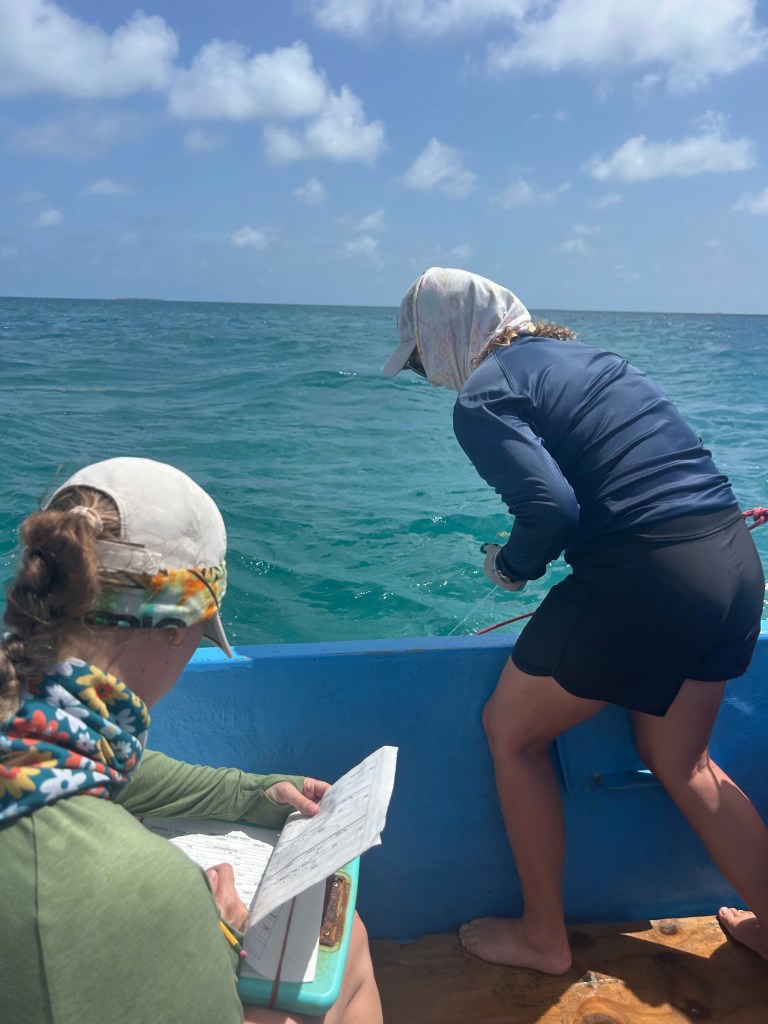
At Earthwatch Institute, I’ve had the opportunity to work at the intersection of science, education, conservation, and people. I’ve helped coordinate programs that bring educators and volunteers into scientific research, supported international field programs, worked alongside scientists and educators, and most recently had the privilege of facilitating a Girls in Science fellowship.
Experiences like these have reinforced something I believe strongly: good programs don’t happen by accident.
They require thoughtful planning, strong relationships, adaptability, and people who care deeply about the experience they’re creating.
I’m increasingly interested in the question of what happens when we combine that kind of mission-driven work with better systems, technology, and operational thinking.
How can we make good organizations even more effective?
How can technology reduce administrative work rather than create more of it?
How do we build programs that are not only impactful, but sustainable?
And perhaps most importantly, how do we create opportunities for more people to participate in meaningful work?
Those are some of the questions I’m carrying into the next chapter of my career.
Beyond the resume
But this blog won’t be exclusively about work.
Some of the most important things I’ve learned have happened far away from a desk.
I’ve learned from traveling. From being outside my comfort zone. From spending time in unfamiliar places. From watching people do extraordinary things in the field. From skiing, hiking, exploring, and simply paying attention to the natural world around me.
And I’ve learned that conservation isn’t just about protecting places. It’s about people—how we connect with the natural world, how we share knowledge, how we inspire the next generation, and how we turn concern into action.
That’s where the Field Notes series comes in.
I’ll use Field Notes to share some of the experiences, people, places, and lessons that have stayed with me. From conservation and science to travel and the unexpected lessons I’ve picked up along the way.
Some posts will be professional. Some will be personal. Some will probably be a little bit of both.
I don’t have a five-year plan for this blog, and I’m okay with that.
I’m more interested in following my curiosity.
What’s next
I’m starting this blog because I’m entering a new chapter, and I want to document the journey rather than wait until I have everything figured out.
I’ll write about building a meaningful career, working in conservation and nonprofits, the people who inspire me, the places that challenge and teach me, and the ongoing process of figuring out where my skills and interests can have the greatest impact.
Maybe along the way, I’ll discover that the seemingly disconnected pieces of my career weren’t so disconnected after all.
Maybe I’ll discover something completely different.
Either way, I’m looking forward to finding out.
Welcome to my Field Notes.


Leave a comment